Unit Overview
How do empires consolidate their power? How do these empires respond to increased diversity and interconnectedness?
The world in 1750 was marked by powerful Eurasian states and empires, coastal African kingdoms, and growing European maritime empires. The interactions of these states, empires, and kingdoms disrupted regional trade networks and influenced the development of new global trade networks.
NYS Framework Content Standards
10.01
Unit G2.01 Outline
These resources introduce students to the concepts and vocabulary they will encounter in the unit.
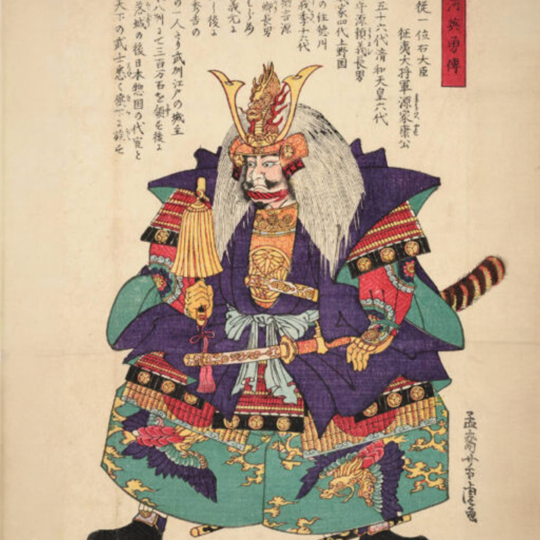
Through these resources, students will compare and contrast the Mughal Empire and the Ottoman Empire in 1750 in terms of religious and ethnic tolerance, political organization, and commercial activity, explore the methods used by the Tokugawa Shogunate to gain, consolidate, and maintain power, and examine the reactions of the Mughal Empire and Tokugawa Shogunate to European “outsiders.”