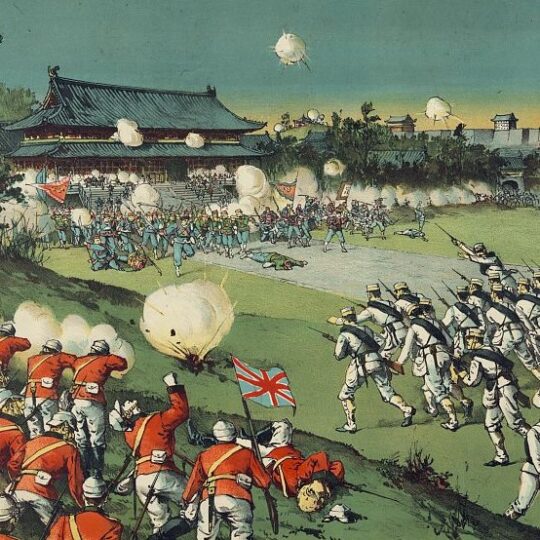
Unit Overview
Why did nations choose to colonize others and how did this choice impact the world?
Western European interactions with Africa and Asia shifted from limited regional contacts along the coast to greater influence and connections throughout these regions. Competing industrialized states sought to control and transport raw materials and create new markets across the world.
NYS Framework Content Standards
10.04
Unit G2.04 Outline
These resources introduce students to the concepts and vocabulary they will encounter in the unit.
Through these resources, students will explore the causes and effects of imperialism in India from multiple perspectives.
Through these resources, students will explore the causes and effects of imperialism in China from multiple perspectives.
Through these resources, students will explore the causes and effects of imperialism in South Africa from multiple perspectives.
Inquiry Question: To what extent did people in the 19th and 20th centuries express different points of view about the impacts of imperialism? How did these authors present their points of view to their audiences?
Learning Objective: Explore points of view of imperialism from the 19th and 20th centuries and for each, analyze the author’s purpose, audience, and the effect of the audience on the text.