Blog
Piloting a Civics-Forward Approach to Global History

By Elizabeth Shadock
Lead Curriculum Development and Professional Learning Manager for Social Studies
New Visions for Public Schools
Most high school civics instruction asks students to explore how government works today: the branches, the bills, the elections. It is also typically reserved for the U.S. History and Participation in Government courses taken by juniors and seniors. That approach leaves younger students of Global History with little opportunity to build civic reasoning and discourse skills, and it overlooks that the civic questions of today are as old as civilization itself.
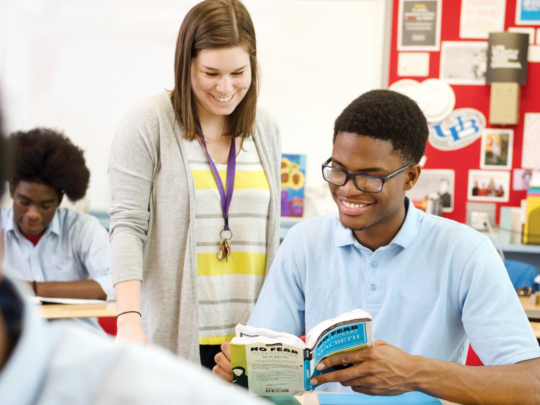
At New Visions, we are testing a different approach. This year, a group of NYC teachers is piloting a new inquiry-based instructional model with our 9th grade Global History curriculum. The model applies a civic lens to ancient world history, treating foundational content as a way into the questions at the heart of civic life: What is justice? Who has power? Whose interests does a system serve? Students investigate them through case studies, weighing evidence and debating competing answers, then they transfer those same skills to take informed action on real issues in their own lives and communities.
What it looks like in a classroom
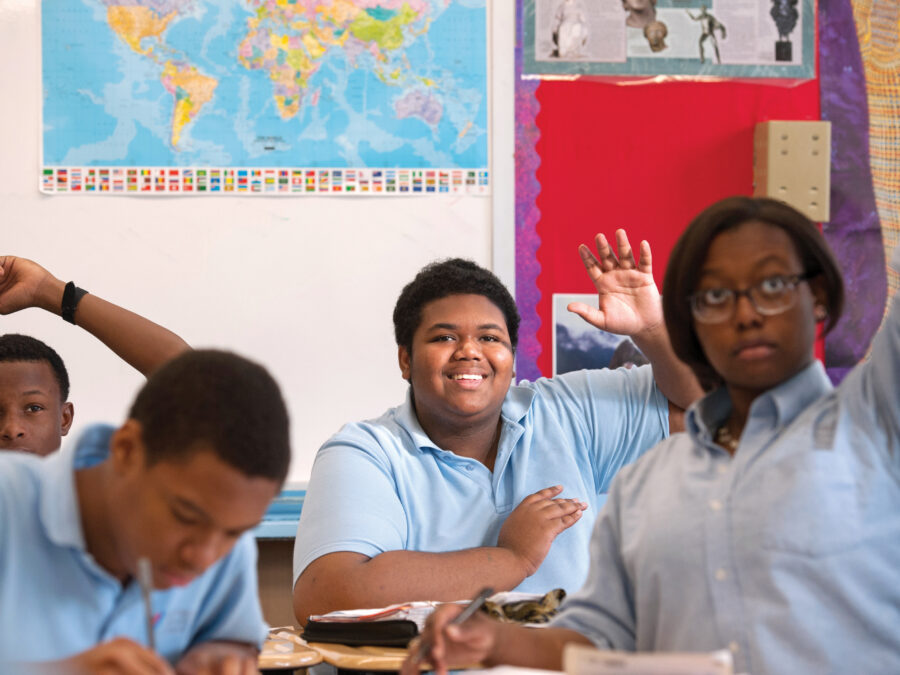
In a unit on the river valley civilizations, students examine how early settled communities handled resource division, power, and equity. They then apply those same questions to their own communities through an authentic performance task, such as a Resource Audit: assessing local access to healthy groceries or accessible subway stations across neighborhoods of varying socioeconomic status. Civic action projects like this one connect an ancient case study to modern day, with projects moving from school-level concerns to broader community issues throughout the year. The ancient world gives students a lower-stakes place to practice. Because the case studies are distant, students can disagree, test claims against evidence, and revise their thinking without feeling they have to defend an identity. By the time they turn to contemporary issues, they have built the habits that make productive disagreement possible: weighing sources, listening across differences, and changing a position when the evidence warrants it.
Why now
New York State is rolling out NY Inspires, which sets new standards for graduation, aligned to Portrait of a Graduate competencies like critical thinking, communication, and innovative problem solving. As the state moves away from relying solely on Regents exams to assess students’ readiness for graduation, teachers and schools will need high-quality instructional materials and professional learning support aligned to new expectations.
They will also need materials that teachers can use confidently in a polarized climate. Because this model teaches civic skills through shared human questions rather than partisan ones, teachers can focus on how students reason instead of what they conclude. This model gives teachers a way to foster civic dispositions that keeps the focus on reasoning rather than conclusions.
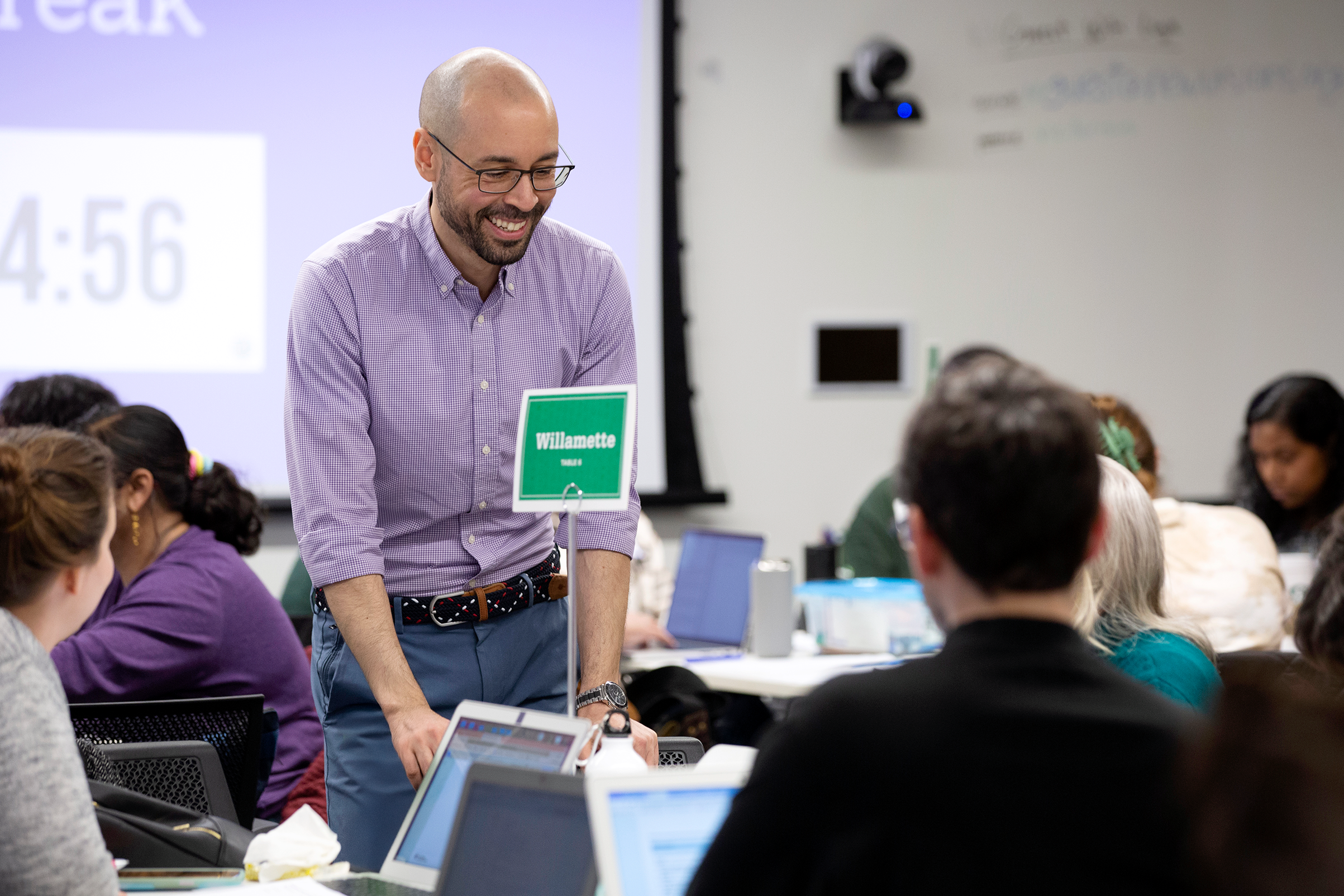
Over the summer, our working group of educators spent two days testing the model as learners, aligning it to the Portrait of a Graduate and giving structured feedback on the plan that will shape what reaches classrooms. They also reviewed the Resource Audit above, which develops two Portrait of a Graduate attributes: students act as critical thinkers, using evidence to evaluate how a system distributes resources, and as effective communicators, presenting findings and defending conclusions to peers.
One educator told us, “My students will become more engaged with society around them, aware they can take action and help make progress.”
What comes next
The current fall pilot will shape revisions to the model and materials. From there, we plan to run a larger 2027 pilot with professional learning for an expanded cohort of NYC teachers, and within two years, the same application of instructional design to our Global History II course.
Social studies helps to build the essential literacy and critical thinking skills we want all students to develop, as reflected in the Portrait of a Graduate, which identifies “global citizenship” as a core competency. New Visions created our social studies (and science) curricula 12 years ago to meet a need within our high school affinity network for high-quality, comprehensive instructional materials that would build the research, analysis, and writing skills students needed to succeed on the Global History Regents Exam required for graduation – and in life. Today, our free social studies curricula are among the most widely used in New York City and across the state. Now that graduation requirements in New York State are evolving to better prepare students for a changing world and economy, so too must our curricula evolve.
Stay in the loop on this work by subscribing to our social studies updates via the New Visions website.