Blog
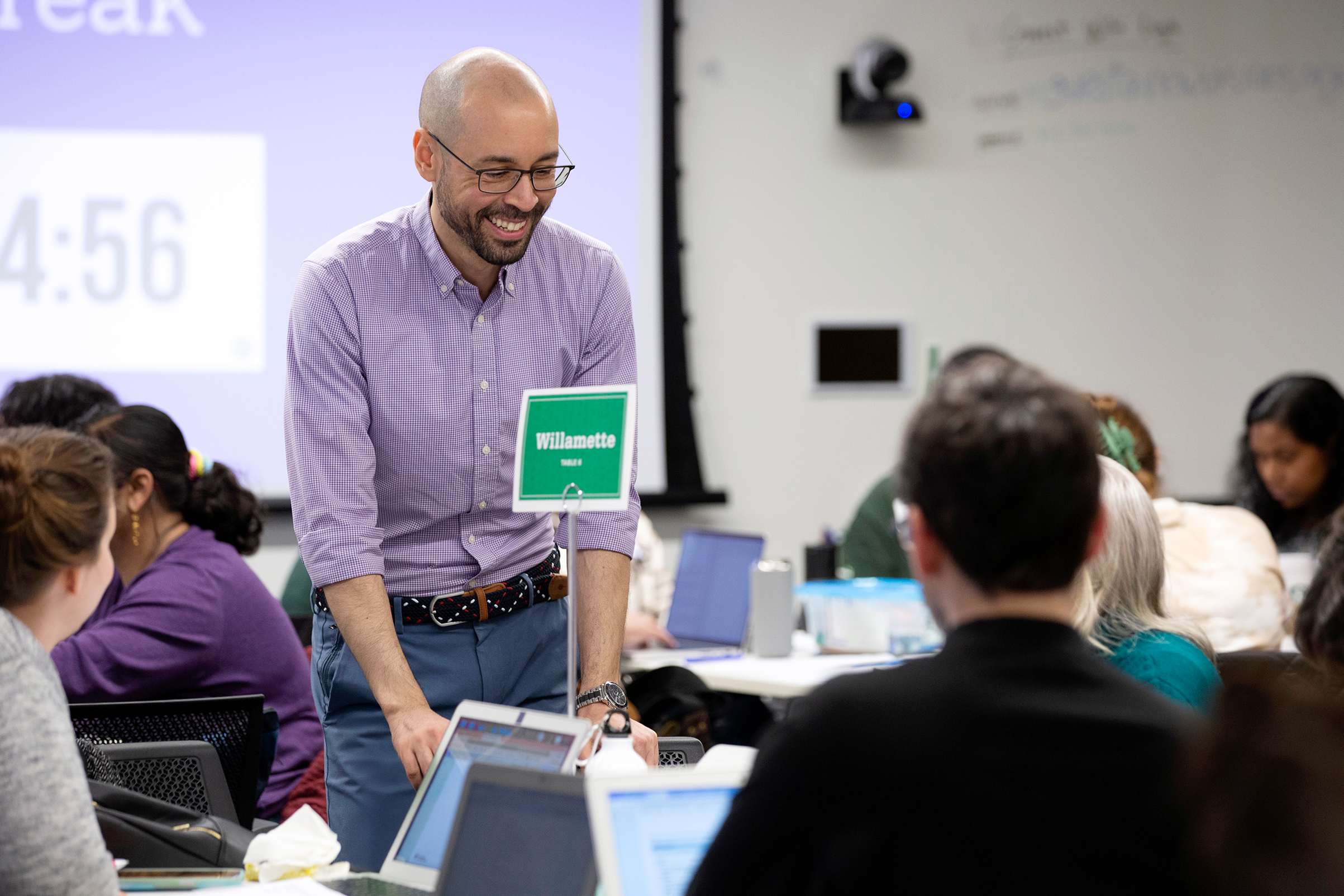

By John Salazar
Lead Curriculum Development and Professional Learning Manager, Science
New Visions for Public Schools
Two schools in Queens South that were early adopters of New Vision Biology and Earth & Space Science talk about what is possible when implementing a curriculum that centers student sense-making, problem-solving, and discussion. Their results on the first administration of the new exams for these courses in June 2025 are promising bright spots!
As the school year is getting underway, we often get questions about what to expect teaching New Visions Biology or New Visions Earth & Space Science. At some schools, it can be a big shift — from teaching off of a checklist of topics, to centering real-world phenomena and student problem-solving. For some school teams, it’s also a huge shift to move from self-created materials to curriculum shared across a school or a district.
In my position at New Visions, I work on both the design of curriculum materials and the facilitation of professional learning to support shifts in instruction, and I regularly work in schools to support teachers and school leaders.
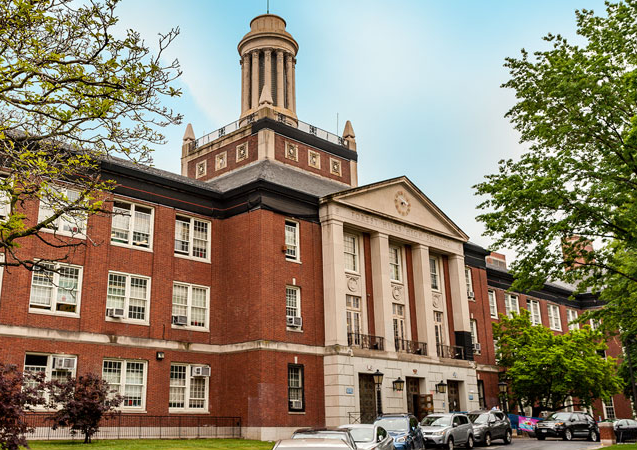
Over the summer, I spoke to folks from two of the 456 New York City schools that are implementing New Visions Biology or Earth & Space Science as a part of NYC Public School’s Core Curriculum: Richmond Hill High School and Forest Hills High School. Their experiences with teaching New Visions Science, and their inspiring outcomes, are worth learning more about. Both Richmond Hill High School and Forest Hills High School planned for the transition to new standards and new exams early — through planning, professional learning, and piloting of materials. Forest Hills science educators, for example, participated in 47 different sessions since 2018, including sessions on unit planning and scaffolding for multilingual learners.
Here are some excerpts from our conversations, with highlights about their schools.
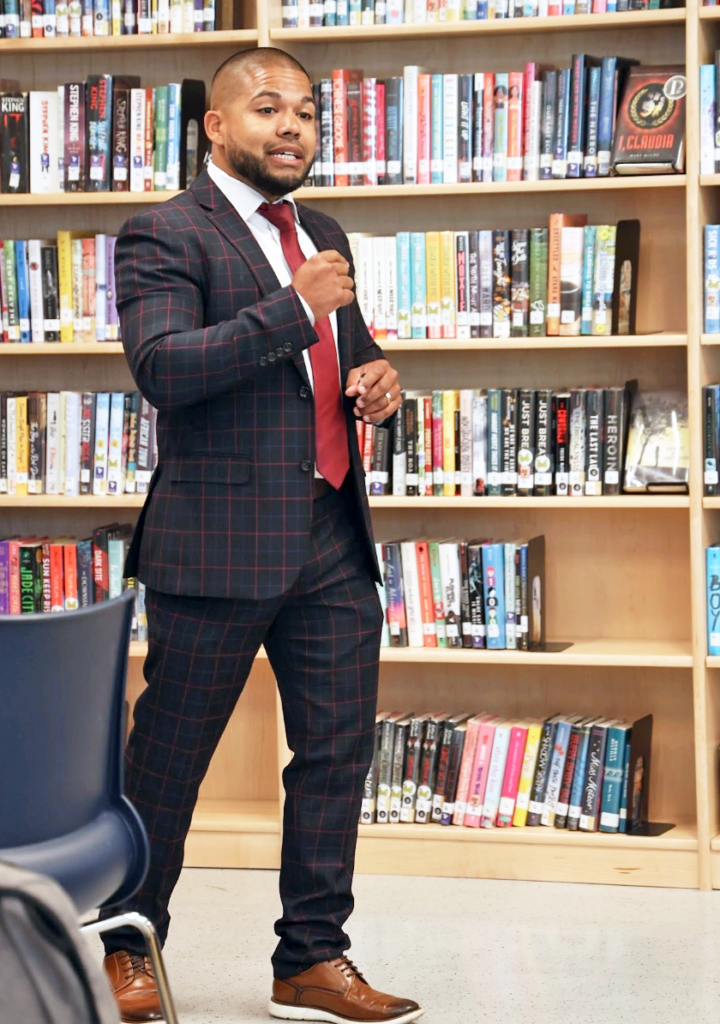
Joshua Campos,
Assistant Principal,
Richmond Hill High School
Improved student engagement, in a language-diverse school:
Richmond Hill High School outperformed the citywide Earth & Space Science Regents exam pass rate of 52% by 7 percentage points in June 2025 after adopting the New Visions curriculum, growth he attributes not to the materials alone but to how his staff uses the data and professional learning built around them.
Adopting a core curriculum:
“It’s not the adoption of a book or a couple slides. It’s a core curriculum that will support every student in being ready to learn, ready to earn, and ready to engage inside and outside of the classroom.”
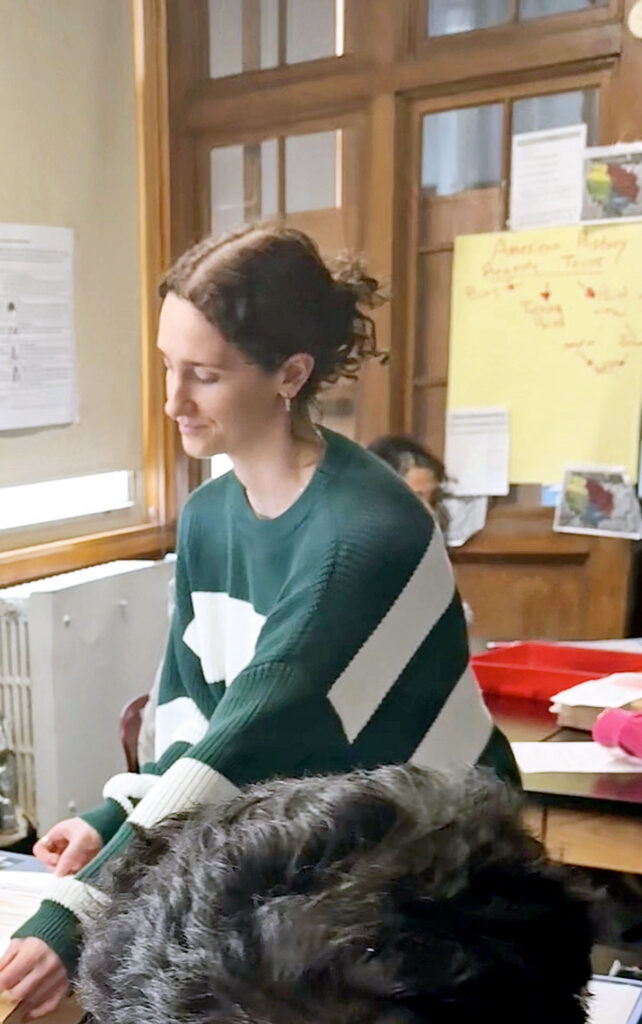
Phoebe Shields,
Earth & Space Science Teacher,
Richmond Hill High School
Taking the leap:
“At the beginning, it can be a little bit scary having that student-based learning. Trust the process. Throughout the year, you’re able to see that students do take control of their learning and let those training wheels go.”
Improved student thinking:
“Student questions are more analytical and a lot deeper… When they are creating models, their models are a lot more detailed. They’re able to synthesize ideas better and connect back to prior units.”
Camila Lock,
Lead Biology Teacher,
Forest Hills High School
Moving away from a checklist:
“Traditional science teaching felt like a checklist of topics to get through. [Now] students dive deep into fewer topics through phenomena-based instruction. There is more context to the content we introduce, which makes it more engaging and relevant to the students.”
Connecting with teachers across New York City:
“Each [professional learning] session allowed me to fine-tune my implementation in order to best meet the needs of my diverse student population. Importantly, I was also able to work with teachers from all over the city as we tackled huge changes in both pedagogy and assessment that affected our daily experiences in the classroom.”
Student Outcomes: Improvements for Multilingual Learners
Camila Lock’s multilingual learners matched overall school performance on the June 2025 Biology Regents. Her school ranked 1st in its district and 8th of 240 Educational Option schools citywide — a benchmark that controls for incoming student profiles.
Share your story!
If you are a teacher or a school leader working with New Visions Biology or Earth & Space Science, we’d love to learn more about your learning, your successes, and the outcomes you are seeing with your students! Reach out to scienceteam@newvisions.org to join the conversation.