Unit Overview
How did increased interconnectedness affect the world in the Modern Era?
Efforts to reach the Indies resulted in the encounter between the people of Western Europe, Africa, and the Americas. This encounter led to a devastating impact on populations in the Americas, the rise of the transatlantic slave trade, and the re-orientation of trade networks.
NYS Framework Content Standards
9.10
Unit G1.8 Outline
These resources introduce students to the concepts and vocabulary they will encounter in the unit.
Through these resources, students will trace major motivations for European interest in exploration and oceanic trade, including the influence of Isabella and Ferdinand, examine the development of European maritime empires and mercantilism, and explore the relationship between knowledge and technological innovations, focusing on how knowledge of wind and current patterns, combined with technological innovations, influenced exploration and transoceanic travel.
Through these resources, students will examine the impact of the Age of Exploration on trade networks and states in the Eastern Hemisphere.
Through these resources, students explore the effects of the Encounter, conflict between Europeans and indigenous Americans, and the Columbian Exchange.
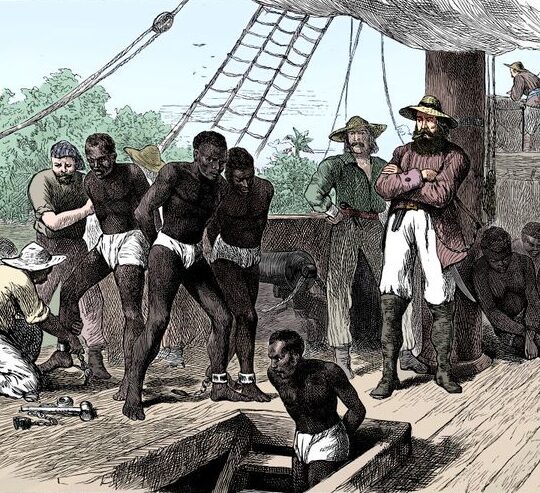
Through these resources, students will examine the social, political, and economic impact of the Atlantic slave trade on Africa, including the development of the Kingdoms of the Ashanti and Dahomey. Students will also examine how the demand for labor, primarily for sugar cultivation and silver mining, influenced the growth of the trade of enslaved African peoples, and investigate European and African roles in the development of the slave trade, as well as investigate the conditions and treatment of enslaved Africans during the Middle Passage and in the Americas.