Blog
Career Exploration Shouldn’t Be Something Students Have to Earn

By Jennie Soler-McIntosh
Vice President, Community Engagement & Postsecondary Pathways
New Visions for Public Schools
I have always believed in the importance of equitable access and opportunity for all young people. But too often, work-based learning is treated as something students have to earn. Like field trips, visits to job sites tend to go to a select few: the high performers, the ones a school already trusts to represent it well in front of an employer.
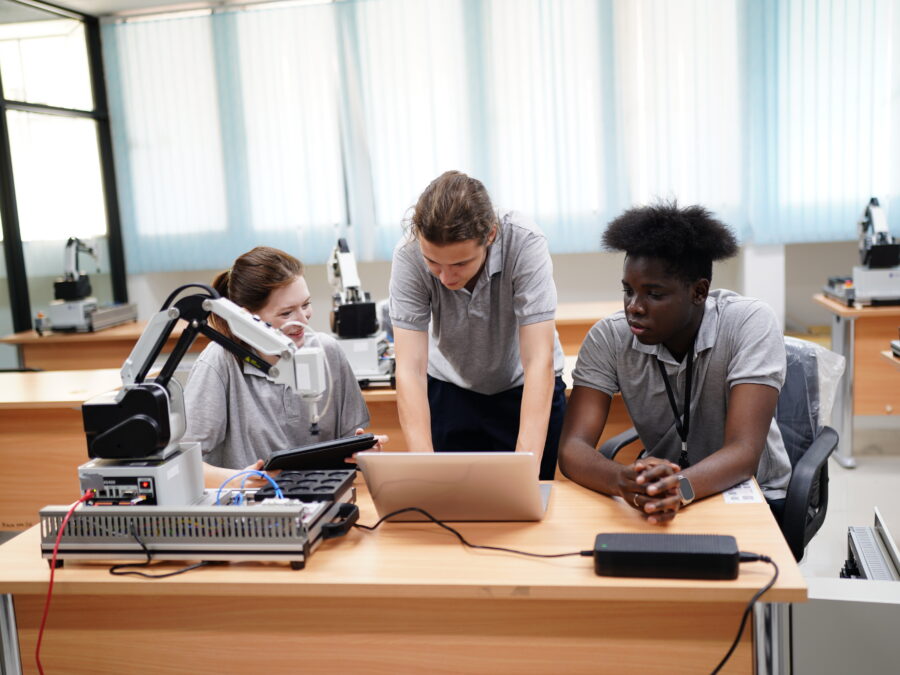
The truth is every young person needs access to real-world career preparation. Without it, they’re often left guessing at what’s possible for themselves and their futures. Work-based learning helps a student answer questions no classroom fully can: Who can I be? What’s actually available to me? How do I get from here to there? When we gatekeep those experiences, we’re deciding in advance who gets to imagine a broad future for themselves.
Universal access is the promise behind FutureReadyNYC, the New York City Public Schools (NYCPS) initiative bringing career exploration to every student in participating schools, through five key pillars: work-based learning, career-connected instruction, early college credit, personalized advising, and financial literacy.
The initiative has demonstrated what it takes to keep that promise, to ensure universal access becomes a reality and not just a slogan. What it takes is real infrastructure: program design, capacity building, and tracking. Because even if schools espouse the value of universal access, they may not have the time, resources, and capacity to actualize that vision. At both ends of the partnership, schools and employers need intentional supports.
New York State’s new Portrait of a Graduate, part of the NY Inspires initiative aimed at redefining what it means and what it takes to earn a high school diploma, further cements career-connected learning for all students as no longer a nice-to-have but a necessity. When the initiative phases out required Regents Exams in favor of expanded opportunities to demonstrate the Portrait of a Graduate competencies, such as “effective communicator,” “critical thinker,” and “reflective and future focused,” students will need more than just a classroom to learn and to demonstrate what they know and can do.
Building the Capacity to Deliver
Universal access doesn’t happen by mandate. It happens when the adults responsible for delivering it have the shared practice and support to do it well.
Part of our approach comes from our work supporting the NYCPS Industry Commission – a 135-member network of industry leaders that partners with NYCPS to strengthen alignment between education and workforce needs with the overarching goal of ensuring students graduate with qualifications and skills that have genuine labor market value.
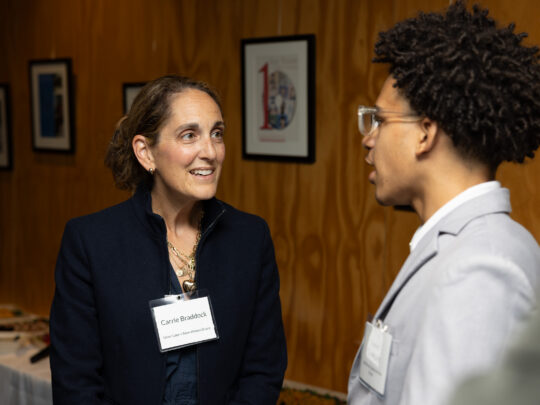
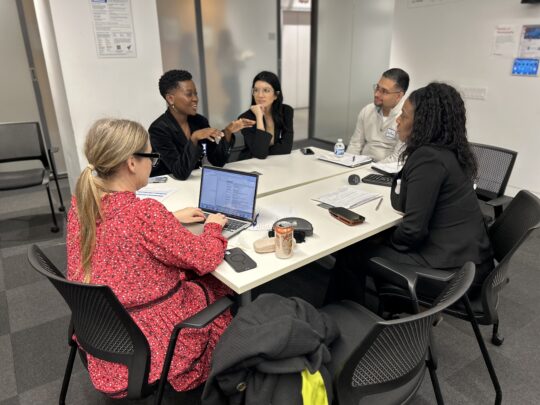
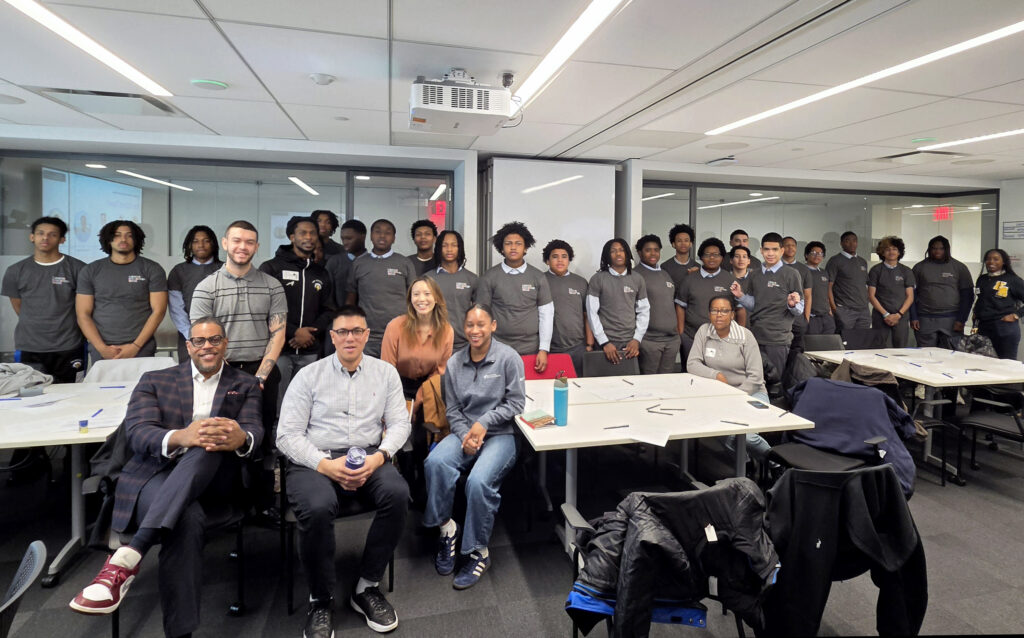
New Visions supported efforts to convene workforce leaders alongside educators through both virtual and in-person events. Virtual employer-led sessions highlighted current trends and important skills in a particular sector, and in-person visits with hands-on activities gave educators direct exposure to varied workplaces. Across sectors, one message surfaced consistently: technical skills matter—but human skills increasingly determine who succeeds. (I’ll dive deeper in a follow-up post about what we learned regarding preparing our students for entry-level hiring in the AI era!)
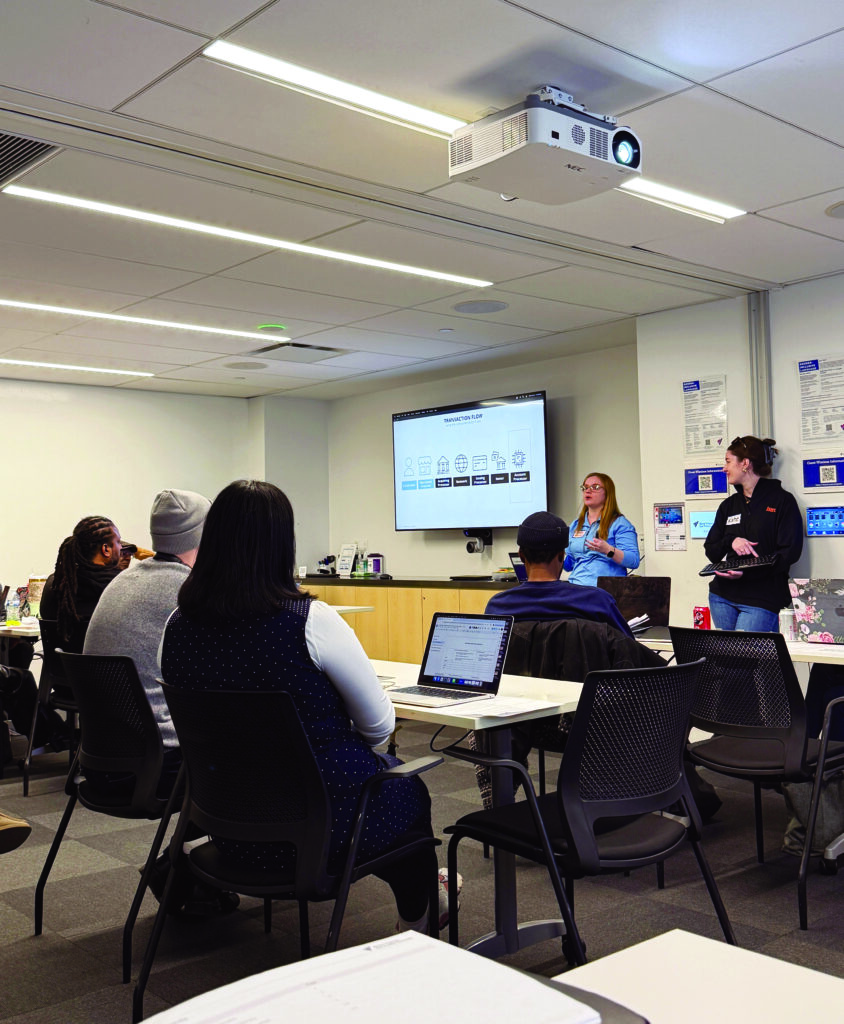
We translated the learnings that emerged from these touchpoints between educators and industry professionals into a Partnership Toolkit, giving school staff a comprehensive, practical, self-paced resource for understanding their local economy, building and sustaining employer relationships, designing a successful career exploration opportunity, connecting industry insights to classroom instruction for long after a single visit ends, and measuring success. The resource includes a companion Partnership Planner, so that at the end of the mini-course, educators have a fully formed living plan ready to bring career-connected learning to life in their school.
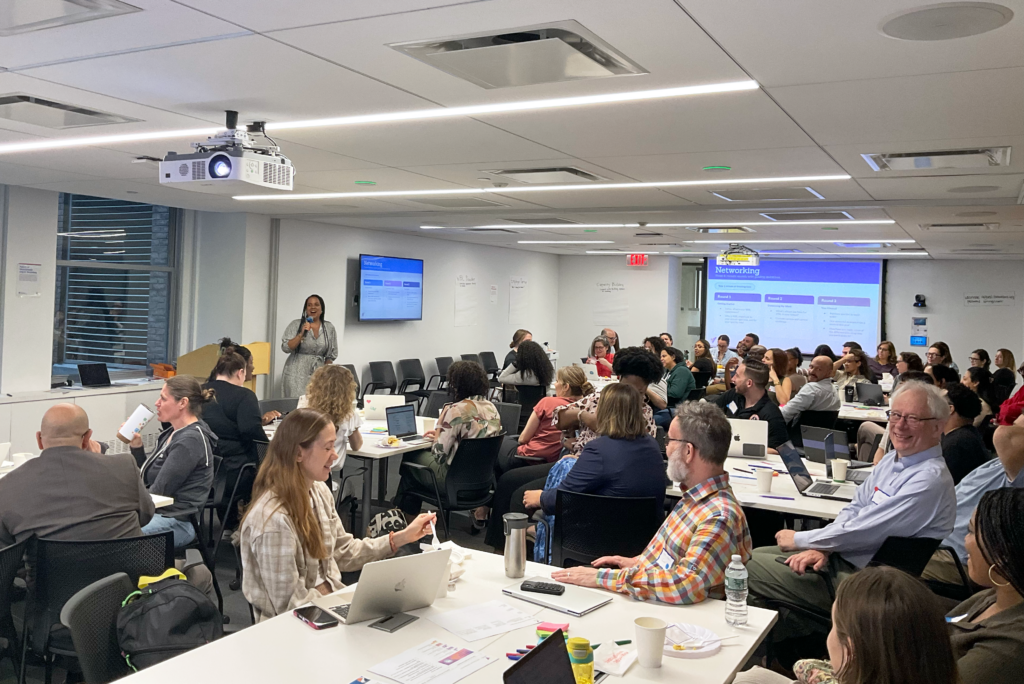
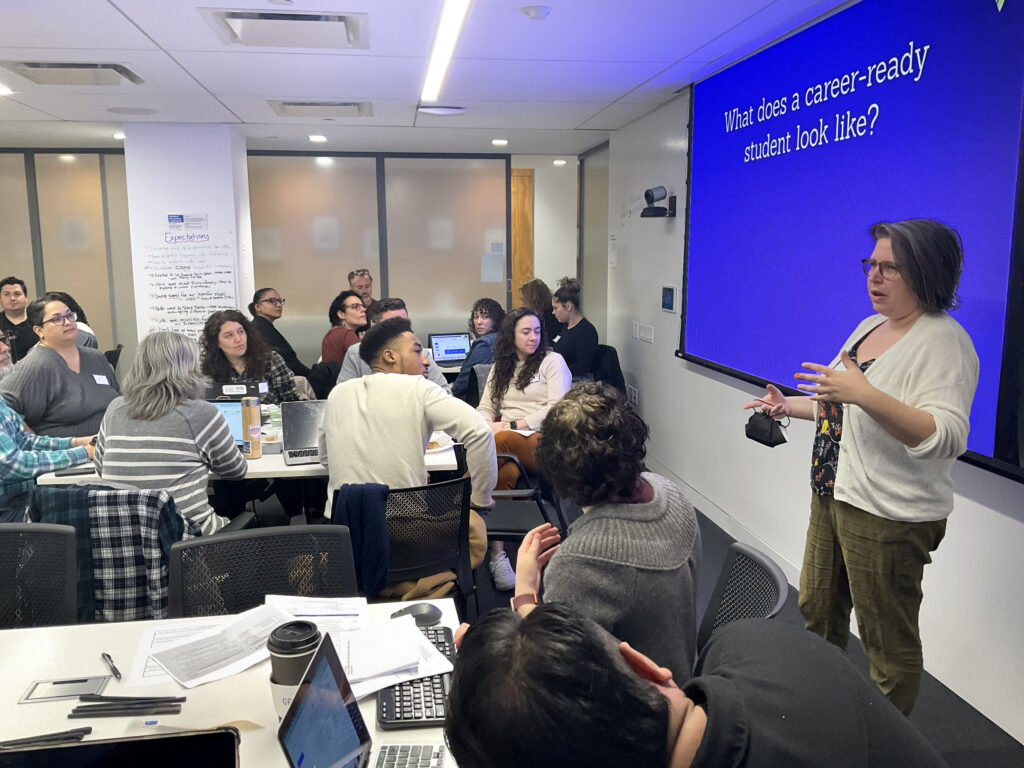
Building educators’ capacity is about more than getting a select group of students in front of employers once; it’s about building the durable systems, and the educator-employer relationships behind them, that make that access universal and repeatable, year over year.
Because a single work-based learning experience may not change a student’s trajectory, but universal access to work-based learning is an essential part of an education system in which each and every student feels they have a future worth believing and investing in.
I grew up in an immigrant family in New York City, and like many kids in similar circumstances, I had limited exposure to the full range of careers and paths available to me because that kind of exposure simply wasn’t built into the systems around me. I know, without question, that the career exploration I eventually had access to changed the course of my life. That’s what I want for every student — not as a reward for good behavior, but as a baseline.
New Visions has spent the last several years proving that this kind of universal access can be built and tracked at scale, school by school. The work now is to keep going — to bring that same infrastructure, coaching, and program design to every school, so that citywide, the promise of universal career exploration and preparation becomes something every student can count on, not just the ones who already know how to ask.