Blog
None of Us Comes to the Subject of Personal Finance Empty-Handed

By Jackie McKinney
Senior Partnership Engagement Manager
New Visions for Public Schools
My first real financial decision happened before I ever received a paycheck, as I stood at the ice cream truck with a dollar my mom had handed me, trying to figure out if I was going to get an ice cream cone or a big gulp and a pack of onion rings. That was my first budget: one dollar, two wants, and a decision I had to live with until the truck came back around and my mom gave me another dollar.
I think about that moment a lot in my work with financial literacy educators because it’s an illustration that none of us — and none of our students — comes to the subject of personal finance empty-handed. By the time a ninth grader walks into a personal finance class, they’ve already made real decisions about money, even if they haven’t received their first paycheck, and those decisions have given them valuable knowledge and skills to build on.
Beginning this upcoming school year, New York State will require personal finance education for all public school students. In coaching personal finance instructors through our partnership with New York City Public Schools, we impart the idea that our role is to facilitate learning: to teach about the concepts of saving, investing, budgeting, and building credit, but not to construe certain decisions as right or wrong. Our job is to empower students with the knowledge they need to make their own decisions, based on their own goals, preferences, and circumstances.
That may sound like a simple concept, but it takes intentional groundwork to put into practice. Every one of us has a money story, shaped by our families, our culture, what we had and didn’t have growing up, and our own past decisions and even mistakes that we’ve made.
For example, an educator who themselves is carrying a difficult amount of debt might feel emotionally pulled to steer a student away from taking on student loans, even if the more expensive school is actually the better fit for them. But advice that comes from fear isn’t the same as advice that comes from what’s actually best for that student.
That’s the heart of the skill we help build in personal finance educators: the ability to notice when their own money story is showing up in their instruction. The way we get there isn’t by starting with the students at all. We start with the adults.
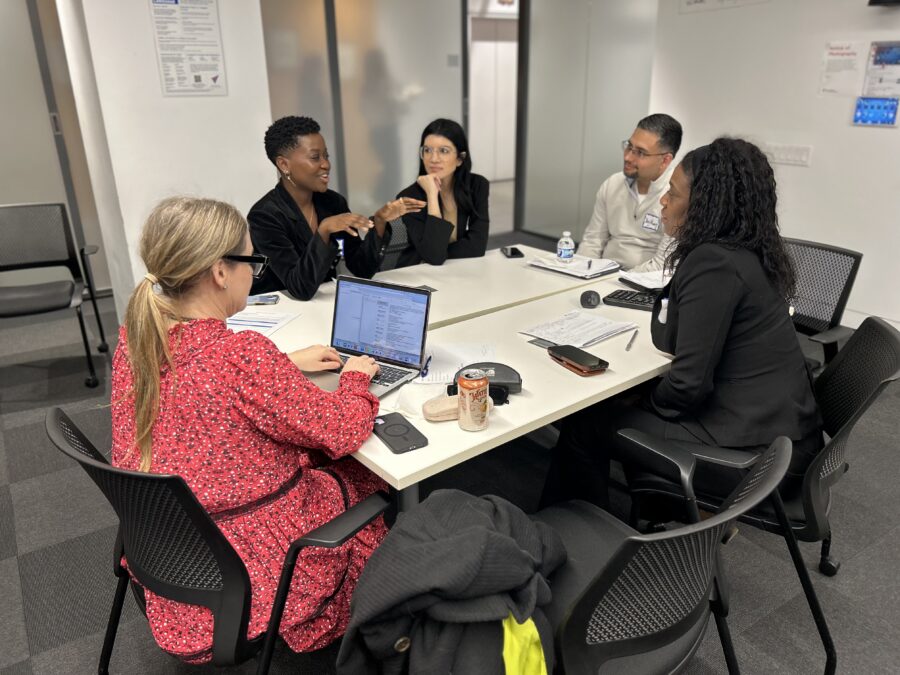
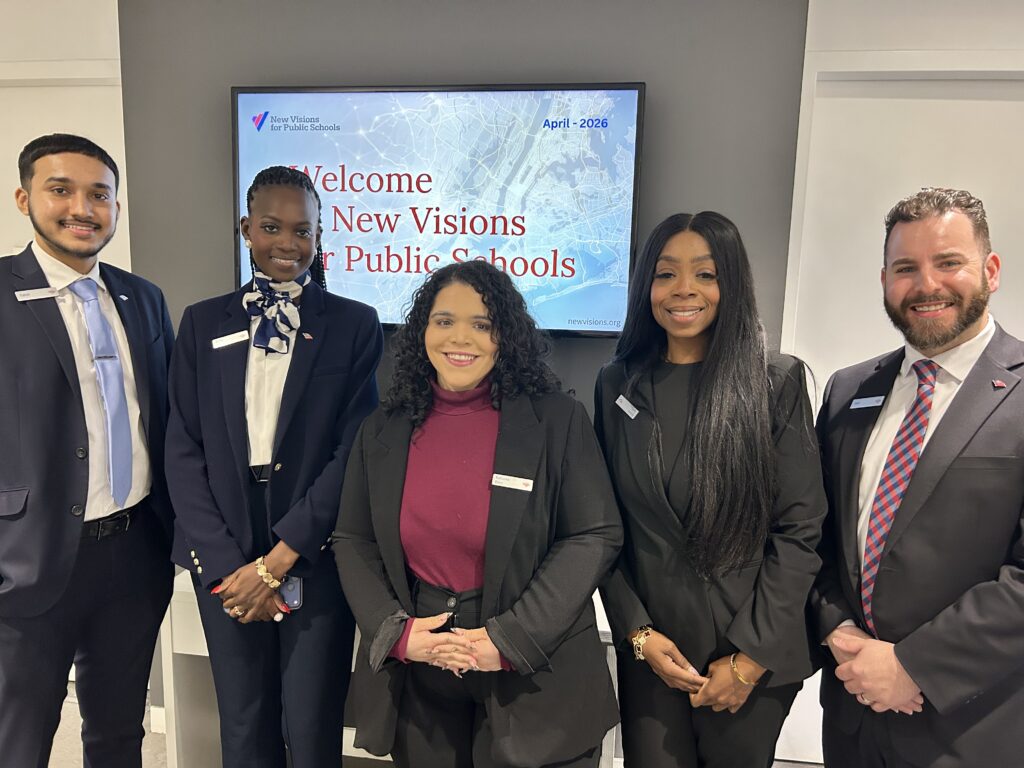
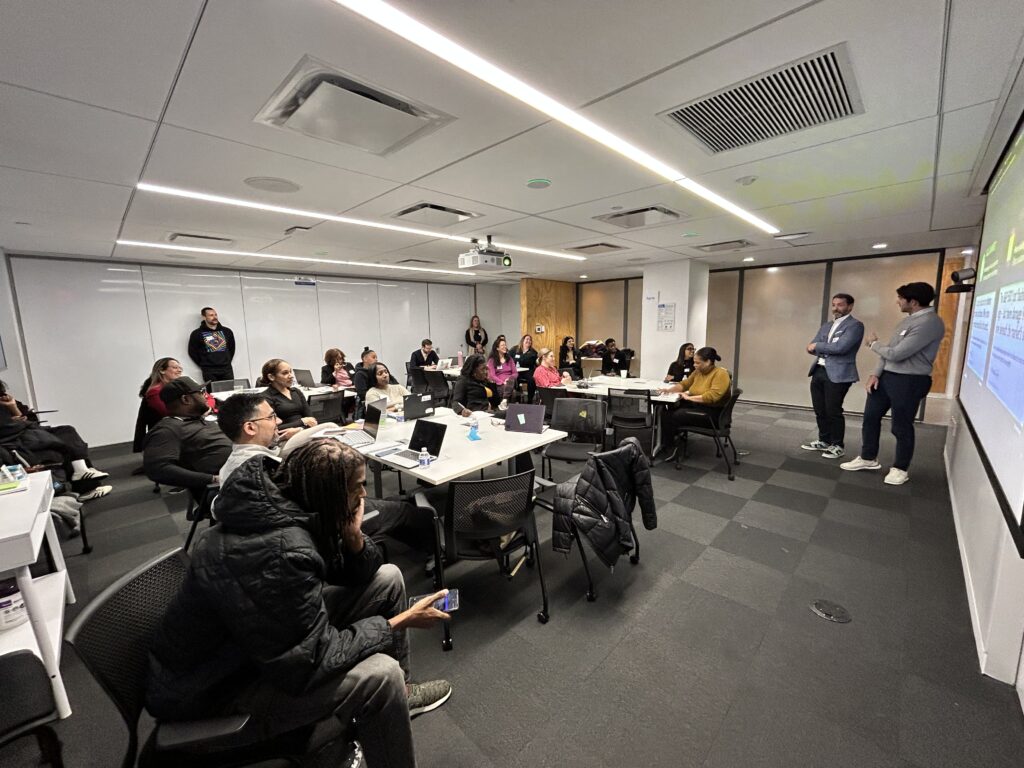
New Visions for Public Schools has spent the past year training financial literacy instructors, counselors, and FutureReadyNYC coordinators in implementing financial literacy curriculum. (I co-facilitate the trainings with my wonderful colleague Sandy Jimenez.) Our arc of learning starts with asking educators to reflect on how money was talked about in their own household growing up. We give them three lanes to choose from: Was it non-existent? (Money just wasn’t discussed?) Was it an occasional lesson every now and then? Or was it full transparency?
The “aha” moments start to flow right away, with educators realizing the wide breadth of different ways households approached money, as well as experiencing validation when someone shares a similar story to their own.
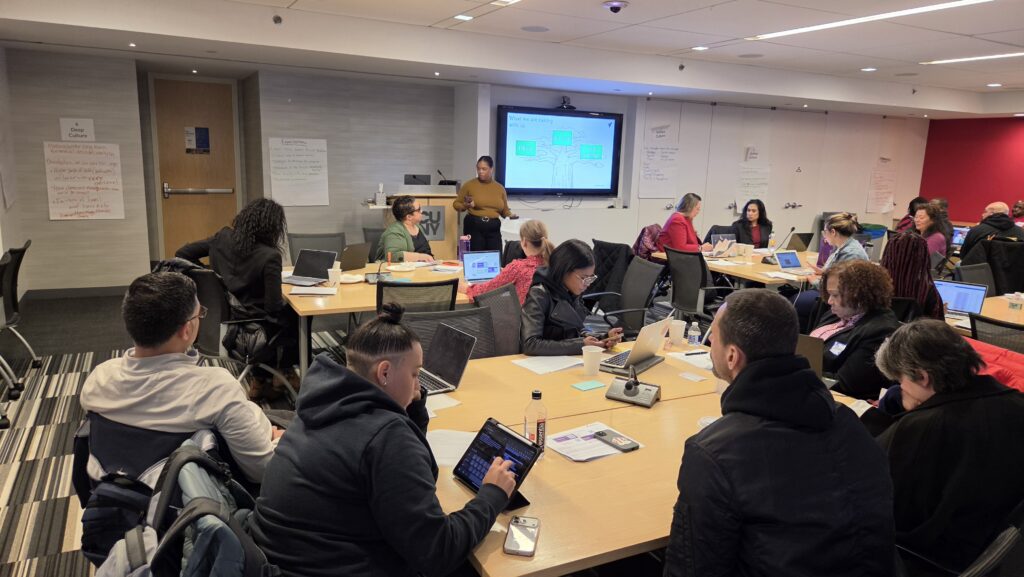
The principles of culturally responsive-sustaining education take root with a recognition of how the personal influences a supposedly objective subject.
Then we ask them to reflect on their own cultural identities directly: which ones do you hold closest? What are the misconceptions or misrepresentations projected onto that identity? If you could take someone somewhere to help them understand your identity, where would you take them? What would it look like for a leader to genuinely honor that identity?
Only after educators have done that work on themselves do we turn the lens outward, toward their students. We talk about the different layers of culture: the surface layer, like clothing or style, that’s easy to observe; and the deeper layers, the unspoken rules and collective worldviews that take real relationship-building to understand. We show educators a short video of students describing the ways their school made them feel culturally seen, and we use that as the bridge into asking: what do you actually know about your students at each of those layers? What do you still need to learn?
We’re careful to communicate that cultural reflection is not an invitation to make assumptions about our students’ families or their circumstances. If an educator isn’t sure, they can seek greater insight through conversations or surveys, but they shouldn’t guess. For instance, I talked with an educator who assumed a student saving up for new sneakers was spending frivolously, but upon digging deeper, they learned that the student was responsible for their own clothing budget for the year, which puts a different perspective on the students’ spending choices.
From there, educators engage in an activity from the lens of both a student and a facilitator. Educators name the concepts and topics a student would need to know before engaging in the activity and also name what they can do as educators to differentiate the activity for their specific students.
Educators teaching personal finance typically are not financial experts. They actually specialize in a variety of content areas, from math, to social studies, to English language arts, to work-based learning, and are embedding personal finance content into their curriculum sequence. I like to remind educators that the field of personal finance is constantly evolving, and we’re allowed to learn alongside our students. We can also be honest that everyone makes financial missteps, including us, and can emphasize to our students that there’s always a way to get back on track towards our goals.
The New York State personal finance education requirements are giving this work new momentum in a way that honors the experiences, cultures, and backgrounds of students, educators, and families. Our students’ money goals belong to themselves. Our job is to make sure they know what they need to reach them.