Unit Overview
How did classical civilizations gain, consolidate, maintain and lose their power?
Classical civilizations in Eurasia employed a variety of methods to expand and maintain control over vast territories. They developed lasting cultural achievements. Both internal and external forces led to the eventual decline of these empires.
NYS Framework Content Standards
9.02, 9.03
Unit G1.2 Outline
These resources introduce students to the concepts and vocabulary they will encounter in the unit.
Through these resources, students will examine the historical and geographic context for the rise of classical civilizations in India, trade networks connecting India with other regions, the founding of Hinduism and Buddhism, the methods used by the Mauryan Dynasty to gain, consolidate, and maintain power, and the achievements of the Gupta Golden Age.
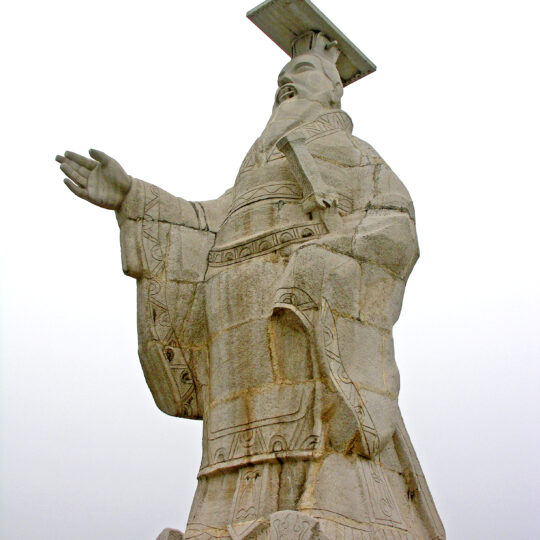
Through these resources, students will examine the historical and geographic context for the rise of classical civilizations in China, trade networks connecting China with other regions, the founding of Daoism and Confucianism, the methods used by the Qin Dynasty to gain, consolidate, and maintain power, and the achievements of the Han Dynasty Golden Age.
Through these resources, students will examine the historical and geographic context for the rise of classical civilizations in Greece, trade networks connecting Greece with other regions, the achievements of the Golden Age of Athens, and the effects of Alexander the Great’s empire.
Through these resources, students will examine the historical and geographic context for the rise of classical civilizations in Rome, founding of Christianity, trade networks connecting Rome with other regions, the methods used by the Roman Republic and Empire to gain, consolidate, and maintain power, the achievements of Pax Romana, and the fall of the Roman Empire.
Through these resources, students will identify the place of origin, core beliefs and practices, and explore the sacred texts and ethical codes of Christianity, as well as examine the spread of Christianity and the effects the belief system had on social order.